Maui’s Native Birds
The Gems of the Forest
Hawaiian Forest Birds
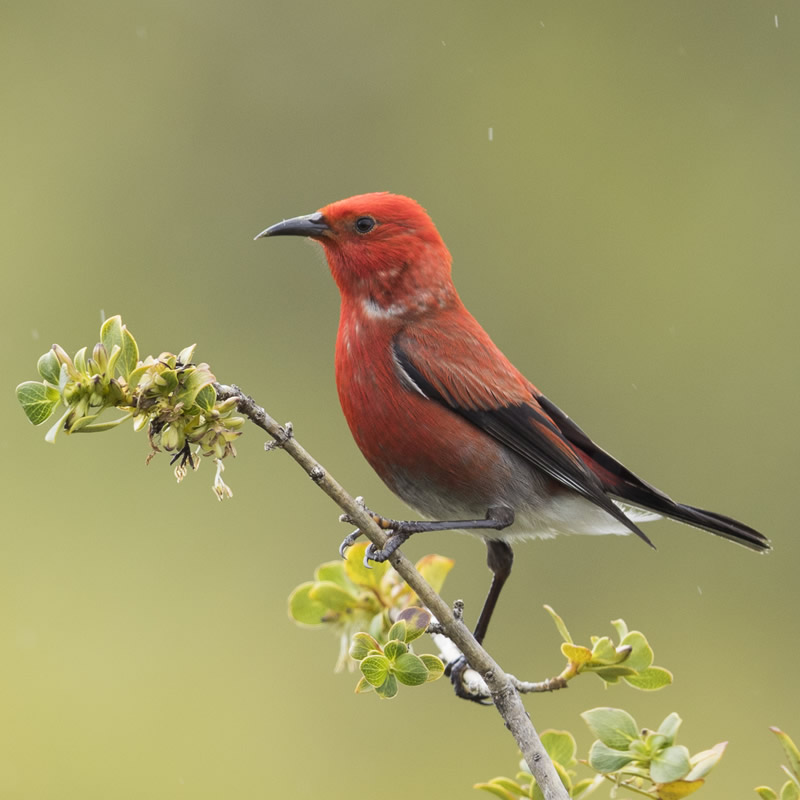
Hawaii’s honeycreeper bird family is often cited as the most spectacular avian example of adaptive radiation. From a single ancestor, this bird group evolved into more than 50 distinct honeycreeper species with an incredible variety of bill shapes and feeding behaviors.
This incredible diversity mirrors nearly all the bill shapes found in passerine songbirds around the world—nectar sippers, seed eaters, tree bark foragers, and more—plus several bill shapes not found in any other birds anywhere else on the planet.
Hawai’i’s geographical isolation has fostered unique relationships between native forest birds and the plants and trees they evolved with over the millennia — and this isolation also means that these native island birds are particularly vulnerable to the threats from introduced/invasive species and disease. Introduced animals, plants and diseases from elsewhere in the world continue to disrupt the unique island relationships and impact the wellbeing of Hawaii’s forests and native birds.
Cultural Significance
Native forest birds anchor both the ecological and cultural integrity of Hawai‘i. Not only do native forest birds play an essential role in maintaining Hawai‘i’s forest ecosystems, they also factor prominently into several aspects of traditional Hawaiian culture.
Culturally, these birds carry stories that stretch back to creation, appearing in the Kumulipo (Hawaiian creation chant) and traditional mele and oli as embodiments of place, ancestry, and guidance. Protecting them is part of honoring the reciprocal responsibilities—kuleana—that tie people to the ʻāina (land). Their loss would erode not only the forests themselves but the cultural knowledge and relationships connected to them.
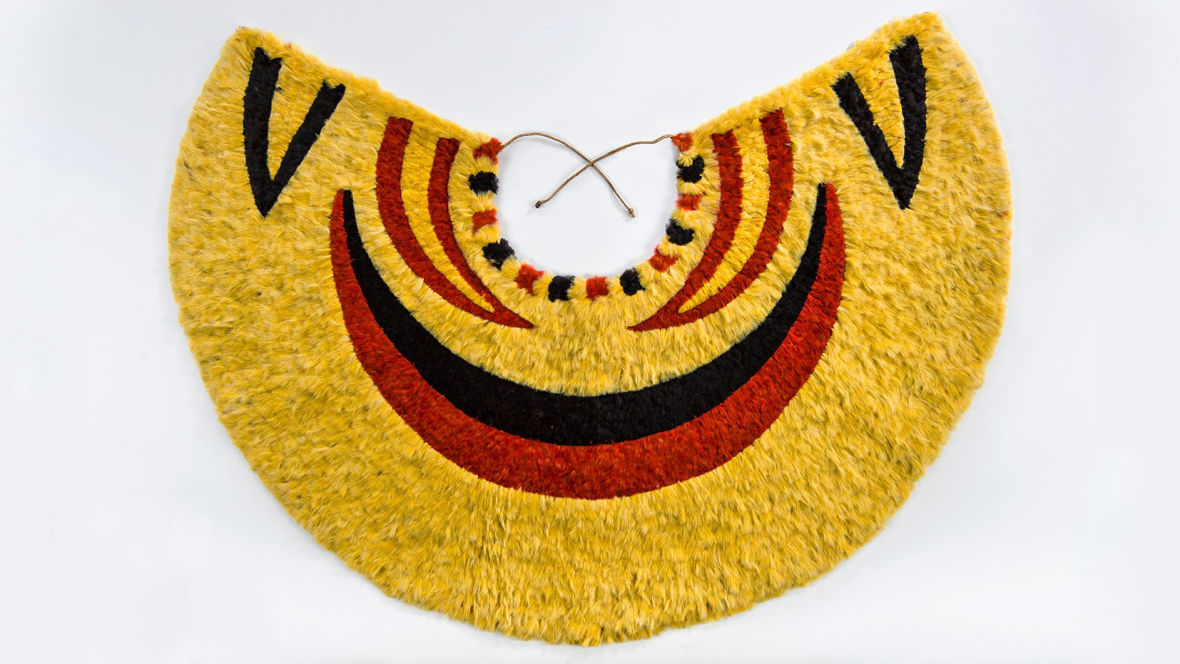
The story of Hawai‘i’s native forest birds is one of both wonder and loss.
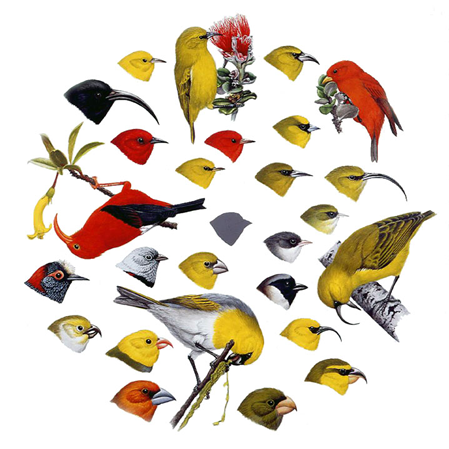
The Story of Hawai‘i’s Forest Birds
The story of Hawai‘i’s forest birds is one of both wonder and loss. Geographic isolation led to an extraordinary radiation of species found nowhere else on Earth. Yet, since the arrival of humans and introduced mammals, Hawai‘i’s native flora and fauna have faced devastating waves of extinction.
Throughout much of Maui, healthy forest ecosystems have been altered or destroyed, deeply impacting the health and survival of native forest birds.
Because of these impacts, we conduct research in the remaining native forests in the islands. We work to evaluate trends in native forest bird status and distribution. This data then guides management decisions about protecting these precious native birds and addressing challenges to their survival.
Threats to Native Birds
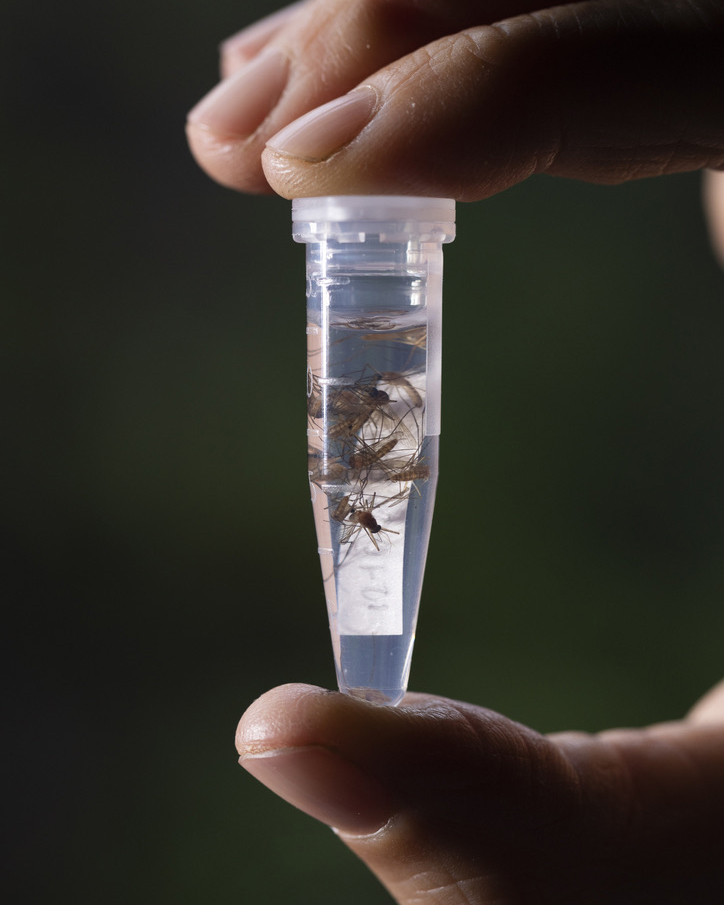
Avian Disease
Introduced mosquitoes continue to threaten the survival of Hawaiʻiʻs remaining native forest birds. Hawaiian honeycreepers are extremely vulnerable to mosquito-borne diseases like avian malaria and pox.
The honeycreepers are restricted to higher, colder elevation forests where mosquitoes are more limited.
With warming temperatures, mosquitoes are able to invade the remaining safer habitat.
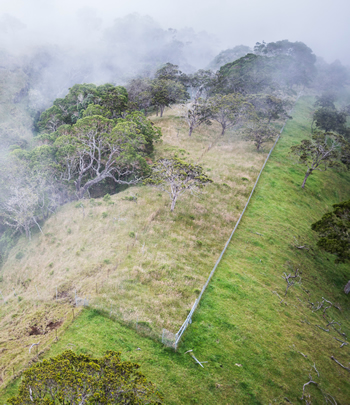
Habitat Loss
Across the Hawaiian Islands, much of the native forest habitat has been altered or destroyed. Logging activities and the cutting and clearing of native forests to create ranchland and sugar cane fields caused the loss of X% of Hawaiʻiʻs native forests.
With only 34% of forest habitat remaining, native forest bird survival has been compromised. Many native birds have already gone extinct, with several remaining native bird species facing near extinction.
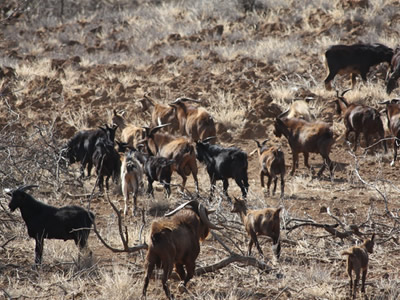
Introduced Mammals
Ungulates – cows, goats, sheep, pigs, and deer destroy native forest plants and trees, diminishing native bird habitat.
Predators – rats, mongoose, and feral cats were all introduced to the islands and these animals eat native birds, their eggs, and their young.
Protecting the Remaining Honeycreepers
In recent decades, several forest birds have sadly vanished forever, including the ʻŌʻū (Psittirostra psittacea), Bishop’s ʻŌʻō (Moho bishopi), Maui-nui ʻĀkialoa (Akialoa lanaiensis), and the Maui form of the ʻŌlomaʻo (Myadestes sp.). In 2023, the U.S. Fish and Wildlife Service officially declared the Maui ʻĀkepa (Loxops ochraceus), Maui Nukupuʻu (Hemignathus affinis), and Pōʻouli (Melamprosops phaeosoma) extinct.
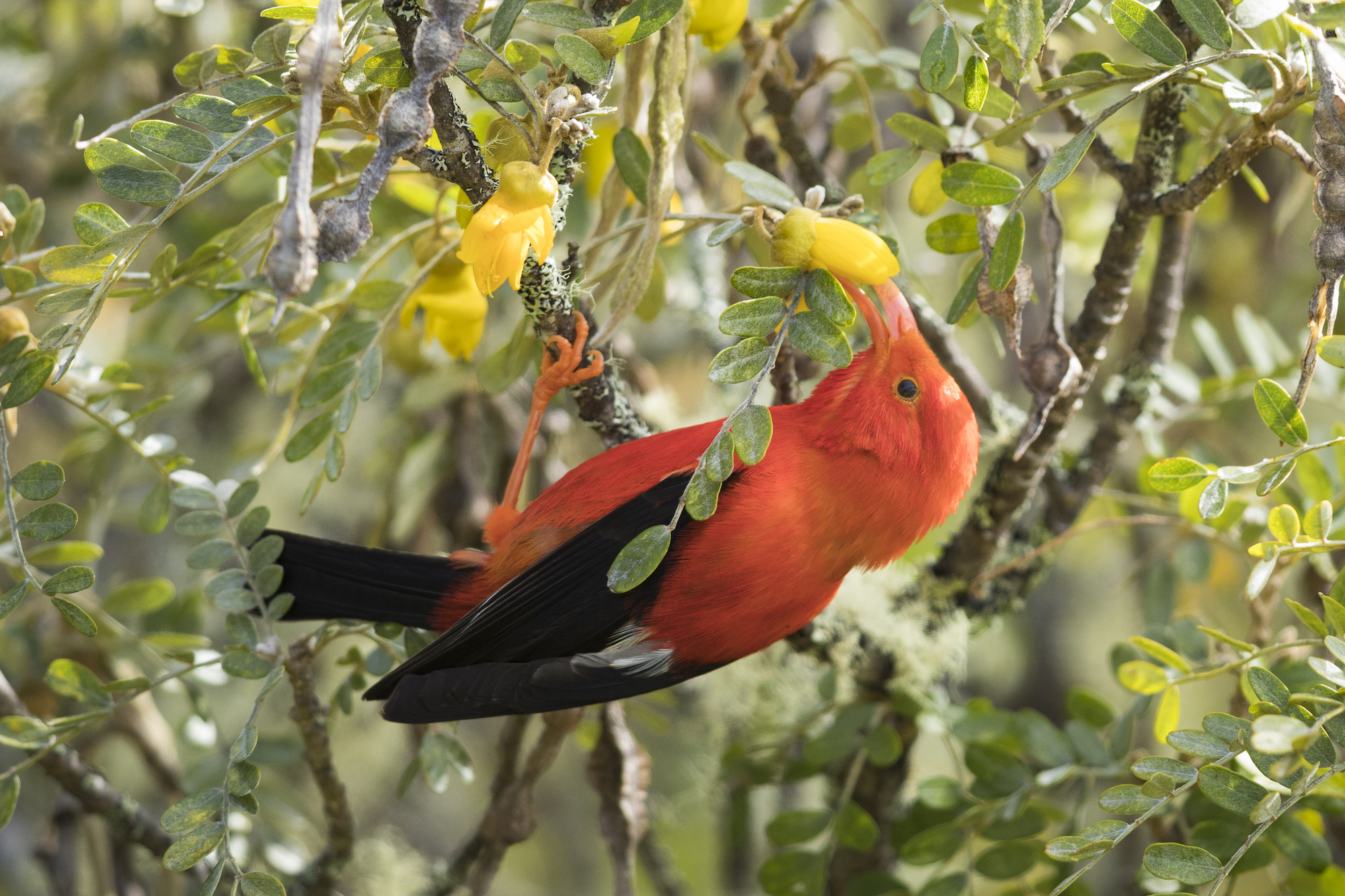
Today, we are working urgently to protect the last remaining honeycreepers on Maui. Our efforts focus on the Kiwikiu or Maui Parrotbill (Pseudonestor xanthophrys), and the ʻĀkohekohe or Crested Honeycreeper (Palmeria dolei). We also support the recovery and reintroduction of the ʻAlalā, or Hawaiian Crow (Corvus hawaiiensis). Other species, such as the Maui ʻAlauahio (Paroreomyza montana) and the ʻIʻiwi (Drepanis coccinea), continue to decline due to habitat loss, introduced predators and ungulates, and diseases carried by non-native mosquitoes.
Avian malaria and avian pox are among the most urgent threats, forcing native birds into high-elevation refuges where cooler temperatures limit mosquito survival. To combat these pressures, we combine habitat restoration, predator control, and ornithological research to better understand population declines and create pathways for recovery.
To learn more about the birds and where to find them, see our Birding on Maui and Birding Resources pages.