ʻAlalā Recovery
Restoring Hawaiʻiʻs Native Crow to the Wild
Background
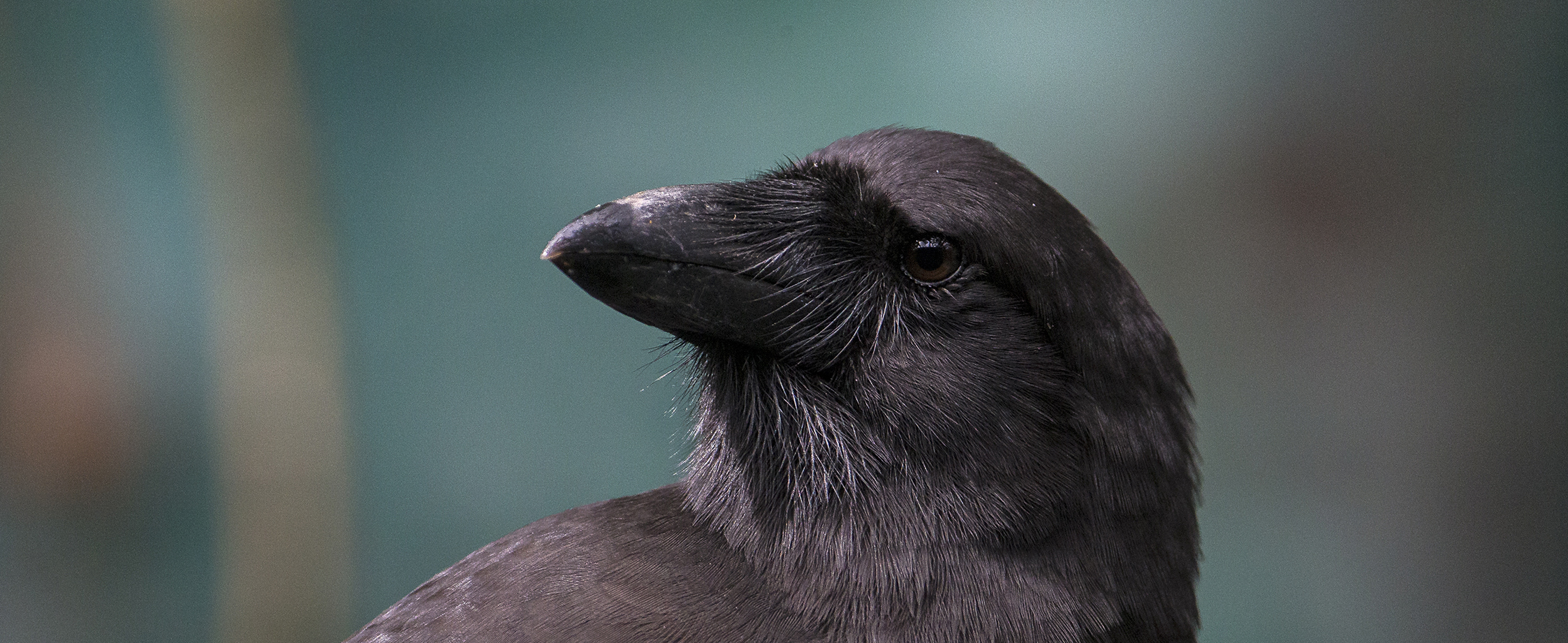
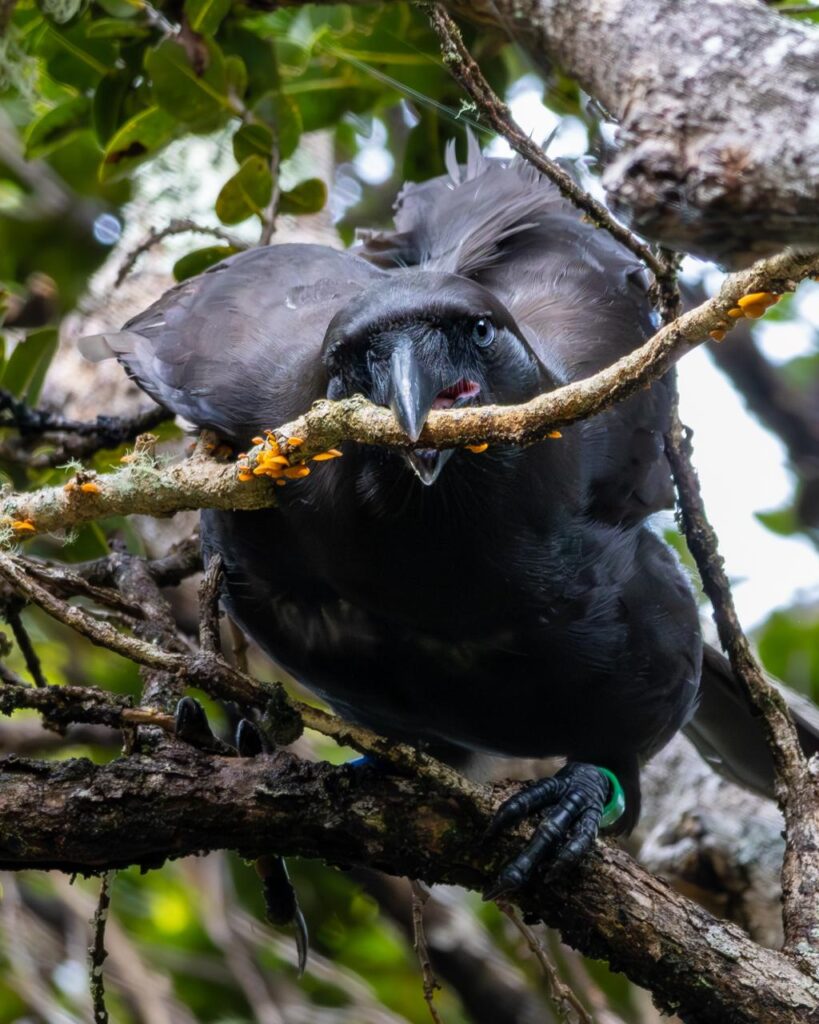
ʻAlalā (Hawaiian Crow; Corvus hawaiiensis) is the last endemic Corvid species found in the Hawaiian Islands. They are now considered extinct in the wild.
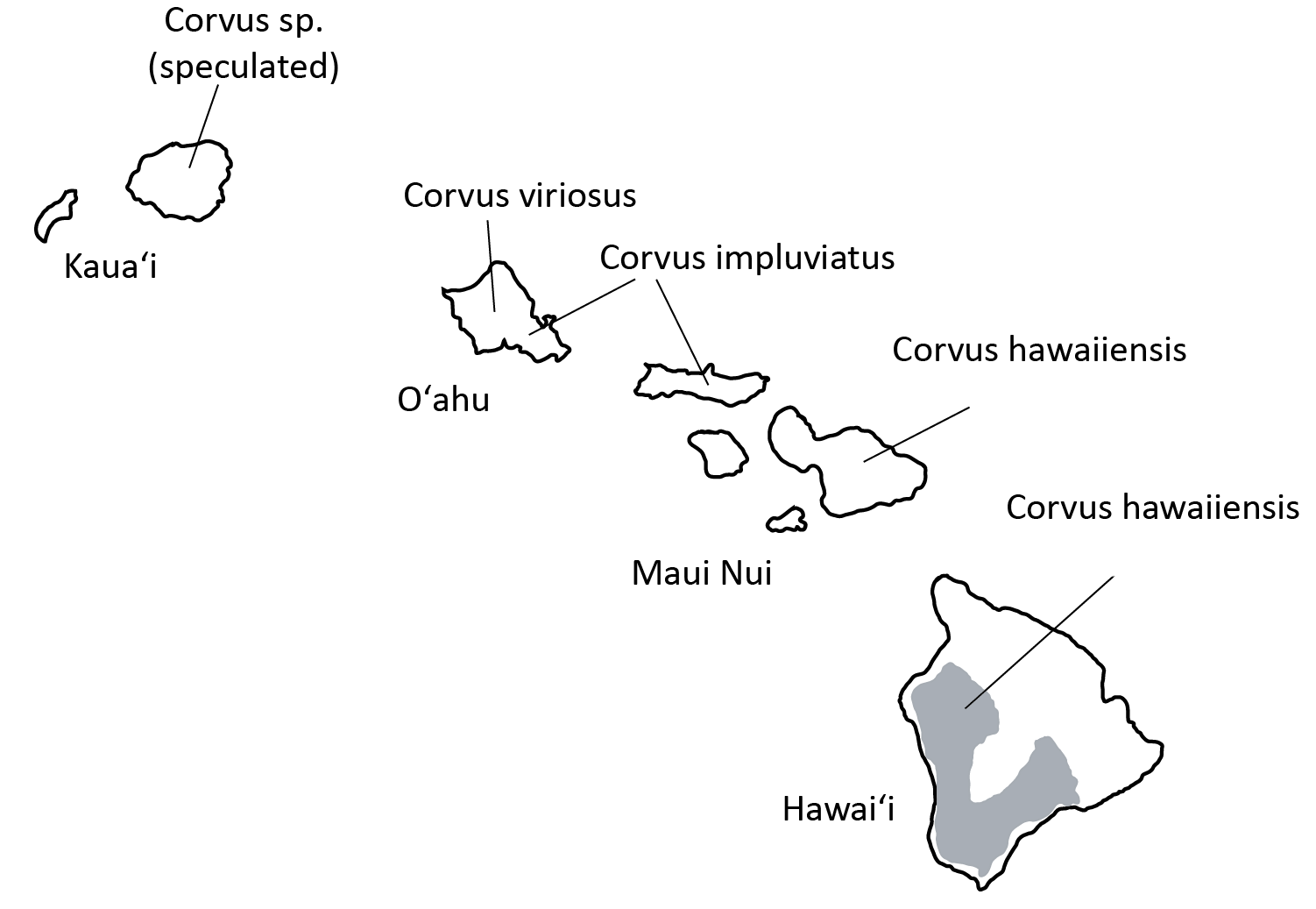
Fossil evidence shows that Corvus hawaiiensis, or a very similar subspecies, was found on Maui and Hawaiʻi Island. Their documented range on Hawaiʻi Island covered forest habitats from about 1,000 to 8,000 feet in elevation. ʻAlalā were known to exist throughout their historic range on Hawaiʻi Island from the 1800ʻs, but the wild population started to decrease dramatically. By 1976 there were only 76 individuals, and by 1992 there were only 13. In 2002 the last pair of birds was seen in the wild.
Like many other native forest bird species, ʻalalā are primarily threatened by non-native species, loss of habitat, and introduced diseases. Wide-scale deforestation for agriculture and livestock grazing has reduced the amount of forest cover on the islands to a fraction of previous levels. The subsequent addition of invasive plant and animal species further eroded the extent of native forest and reduced forest quality throughout the island. Furthermore, introduced diseases — avian malaria, pox, and toxoplasmosis — have impacted ʻalalā survival. Non-native vectors such as mosquitoes and free-ranging cats spread these diseases.
‘Alalā do not exist anywhere else on the planet and evolved with the plants, animals, and culture of Hawaiʻi.
Species Status:
Extinct in the Wild
ʻAlalā are the sole surviving member of 5 endemic corvid species once found on at least four of the main Hawaiian Islands. Fossil evidence shows ʻalalā, or a similar subspecies, to have been present on Maui and Hawaiʻi Islands. The last wild individuals were documented in the forest of the South Kona district on Hawaiʻi Island.
Conservation Breeding
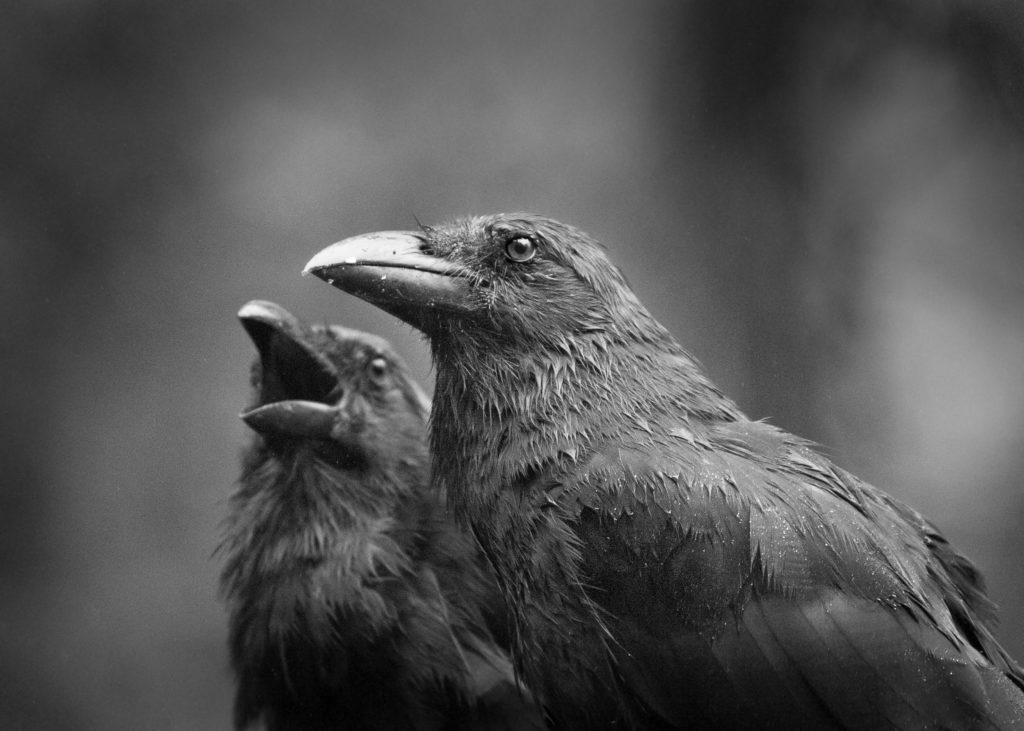
The ʻalalā captive breeding effort began in the late 1970ʻs to prevent total extinction of the species. San Diego Zoo Wildlife Alliance manages the conservation breeding program facilities as part of their Hawaiʻi Endangered Bird Conservation Program at the Maui Bird Conservation Center and the Keauhou Bird Conservation Center on Hawaiʻi Island. Nine genetic founders composed the initial captive population. Today there are over 110 individuals as part of the program
Reintroduction
Attempts to reintroduce ʻalalā into the wild in the 1990s and from 2016 to 2019 resulted in high mortality rates, and surviving birds were returned to captivity. Many of the mortalities were due to a native predator, ‘io (Hawaiian hawk, Buteo solitarius), as well as introduced predators and inclement weather. The partners of The ʻAlalā Project began working toward next steps in the reintroduction process. These efforts shifted focus to releasing birds within Maui Nui, where ‘io do not occur.
Over the last few years, MFBRP and partners drafted conservation plans for the introduction of ‘alalā to Maui. This collaborative work included environmental assessment submission, conducting working group meetings and cultural and biological assessments, securing permits, identifying funding, drafting a translocation plan, field site selection and preparation, and pre-release training to prepare the birds for forest life.
In October 2024, five young ‘alalā were moved to an on site release aviary on the slopes of Halealakalā and released on the landscape in November 2024. Maui Forest Bird Recovery Project monitors the five young birds daily, and provides supplemental food to assist the birds with their transition from the captive breeding facility.
The release of ‘alalā on Maui is part of a longterm recovery effort focused on reintroducing ‘alalā back to Hawai’i Island forests in the future. If we are able to foster wild behaviors and develop refined adaptive management strategies, ʻalalā may be able to coexist with ‘io in the future as they once did in the past.
Learn More
- Maui News (2025, April 15). ʻAlalā show resolve five months after release in East Maui forest.
- Department of Land and Natural Resources. (2024, December 4). Historic First Release of ‘alalā in East Maui.
- Department of Land and Natural Resources. (2024, October 9). ʻAlala begin journey back to the wild on Maui.
- U.S. Fish & Wildlife Service. (2024, February 29). U.S. Fish and Wildlife Service, State, Announce Final EA and FONSI for Pilot Release of ʻAlalā on East Maui.